Introduction
Your home is more than just a place to live—it’s an expression of your personality, lifestyle, and creativity. As interior design continues to evolve, homeowners are embracing styles that blend aesthetics with functionality, creating spaces that feel warm, inviting, and uniquely personal.
From the raw elegance of Soft Brutalism to the luxurious geometry of Neo Deco and the nature-inspired serenity of Biophilic Design, today’s interior trends go far beyond simply choosing beautiful furniture. They focus on creating environments that improve everyday living while reflecting individual tastes.
Whether you’re planning a complete home renovation, refreshing a single room, or simply looking for inspiration, this guide explores 50 creative interior design styles that are shaping modern homes around the world.
In Part 1, we’ll dive into the first ten standout styles, explaining what makes each one unique, where it works best, and how you can recreate the look in your own home.
1. Soft Brutalism Interior Design
What Is Soft Brutalism?
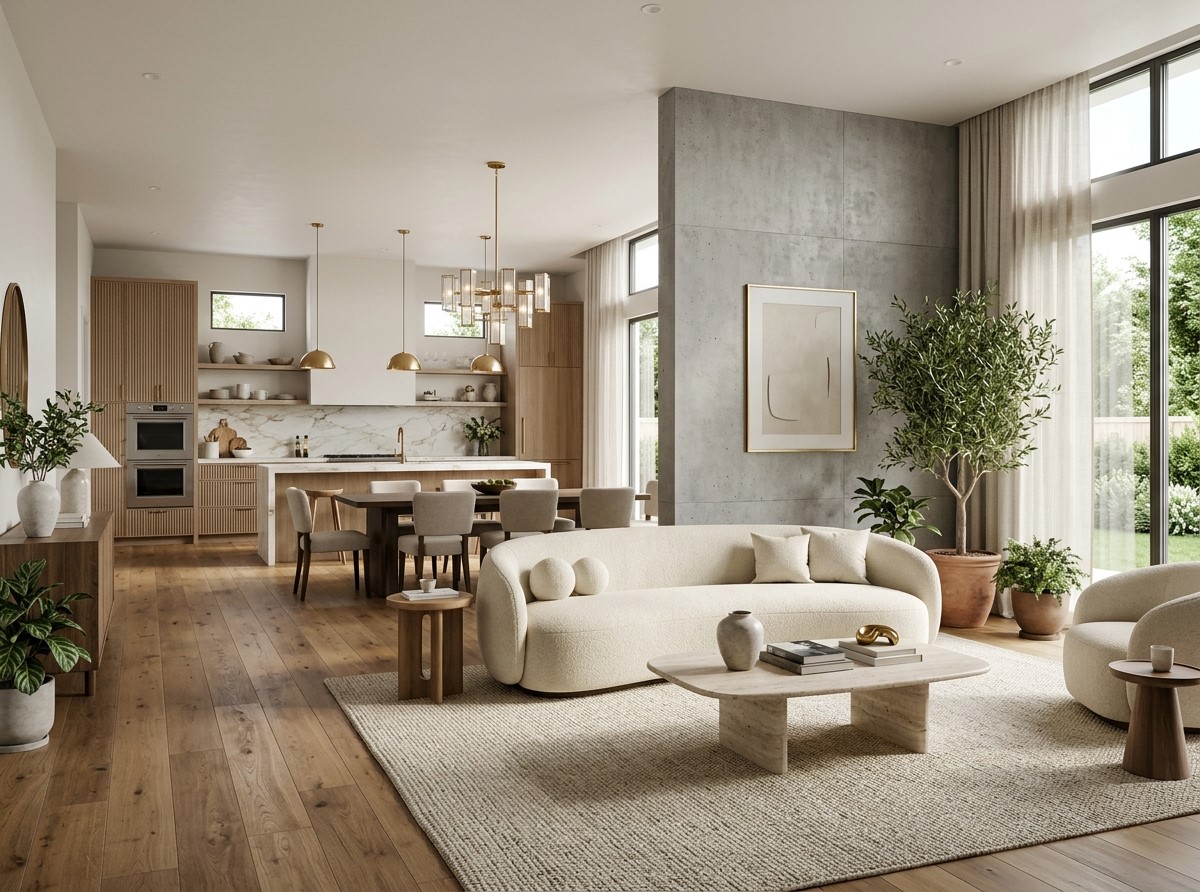
Soft Brutalism is one of the fastest-growing interior design trends because it balances the bold, architectural appeal of Brutalist design with warm, comfortable elements. Traditional Brutalism often feels cold due to its extensive use of exposed concrete, steel, and raw materials. Soft Brutalism keeps those structural characteristics while introducing natural wood, cozy textiles, curved furniture, and earthy colors.
The result is an interior that feels sophisticated without appearing harsh.
Why Homeowners Love It
Unlike industrial interiors that can sometimes feel unfinished, Soft Brutalism offers a refined appearance. The combination of minimalist architecture and inviting furnishings creates a calming atmosphere perfect for modern living.
Many luxury architects now use this style because it emphasizes quality materials instead of excessive decoration.
Key Characteristics
- Exposed concrete walls
- Limewash finishes
- Natural stone
- Curved furniture
- Bouclé upholstery
- Warm oak wood
- Oversized lighting fixtures
- Minimal decorations
- Organic textures
- Open spaces
Best Color Palette
Soft Brutalism relies heavily on natural tones.
Primary colors include:
- Warm White
- Greige
- Sand
- Mushroom Gray
- Taupe
- Charcoal
- Concrete Gray
- Soft Brown
Accent colors:
- Olive Green
- Rust
- Terracotta
- Deep Forest Green
Furniture Ideas
Choose furniture with soft curves instead of sharp edges.
Excellent choices include:
- Curved sectional sofas
- Travertine coffee tables
- Oak dining tables
- Linen accent chairs
- Floating wooden shelves
- Sculptural floor lamps
Materials That Define the Style
Soft Brutalism celebrates authentic materials.
Popular choices include:
- Concrete
- Travertine
- Limestone
- Oak
- Walnut
- Linen
- Bouclé
- Wool
- Clay
- Handmade ceramics
Lighting Suggestions
Lighting should soften the architectural elements.
Consider:
- Oversized paper pendant lights
- Warm LED strips
- Floor lamps with linen shades
- Recessed ceiling lighting
- Sculptural table lamps
Decorative Accessories
Keep décor intentional rather than excessive.
Popular accessories include:
- Large ceramic vases
- Handmade pottery
- Stone sculptures
- Abstract artwork
- Textured throws
- Minimal bookshelves
- Natural branches
- Olive trees
Best Rooms
Soft Brutalism works beautifully in:
- Living rooms
- Master bedrooms
- Luxury apartments
- Open-plan kitchens
- Home offices
Pros
- Timeless appearance
- Easy to maintain
- Luxurious without being flashy
- Highly durable materials
- Excellent natural lighting
Cons
- Concrete installation can be expensive
- Poor lighting can make the room appear cold
- Requires balance between hard and soft textures
Budget-Friendly Tips
You don’t need poured concrete walls.
Instead, use:
- Concrete-effect paint
- Limewash wall finishes
- Stone-look wallpaper
- Bouclé cushions
- Wooden side tables
- Minimal décor
Common Mistakes
Avoid:
- Too much gray
- Overusing concrete
- Cold white lighting
- Too many industrial accessories
- Empty rooms without texture
Designer Tip
Layer natural materials together. A concrete wall becomes inviting when paired with a curved cream sofa, linen curtains, and warm wood furniture.
2. Neo Deco Interior Design
What Is Neo Deco?
Neo Deco reimagines the glamour of the 1920s Art Deco movement through a contemporary lens. Rather than recreating vintage interiors, it combines luxurious materials with minimalist forms, making it ideal for modern homes.
Expect geometric elegance, premium finishes, and statement furniture without excessive ornamentation.
Why It’s Trending
Neo Deco appeals to homeowners who love luxury but prefer clean, uncluttered spaces. It bridges classic sophistication with contemporary living.
Key Characteristics
- Geometric patterns
- Curved furniture
- Marble surfaces
- Brass details
- Velvet upholstery
- Fluted wood panels
- Statement lighting
- Rich textures
Color Palette
Primary colors:
- Black
- Cream
- White
- Charcoal
- Taupe
Luxury accents:
- Gold
- Brass
- Emerald
- Navy
- Burgundy
Furniture Ideas
- Curved velvet sofa
- Marble coffee table
- Brass side tables
- Ribbed cabinets
- Sculptural dining chairs
- Fluted TV unit
Materials
- Marble
- Velvet
- Brass
- Glass
- Walnut
- Oak
- Lacquer finishes
Lighting
Lighting becomes artwork in Neo Deco interiors.
Choose:
- Globe chandeliers
- Brass wall sconces
- Glass pendant lights
- Sculptural floor lamps
Decorative Elements
- Gold-framed mirrors
- Large abstract art
- Marble sculptures
- Crystal décor
- Geometric rugs
- Designer coffee-table books
Best Rooms
- Luxury living room
- Dining room
- Hotel-inspired bedroom
- Entryway
- Home bar
Pros
- Elegant and timeless
- High-end appearance
- Great for entertaining
- Adds visual sophistication
Cons
- Premium materials can be costly
- Too many metallic finishes can overwhelm the room
Budget Tips
Use peel-and-stick fluted panels, brass cabinet handles, velvet cushions, and marble-look furniture to achieve the style without a luxury budget.
Designer Tip
Limit metallic finishes to one or two tones for a polished, cohesive look.
3. Art Deco Interior Design
What Is Art Deco?
Originating in the 1920s and 1930s, Art Deco celebrates glamour, craftsmanship, and bold geometry. Think luxurious hotels, grand theaters, and elegant apartments with rich materials and symmetrical layouts.
Unlike Neo Deco, traditional Art Deco embraces more decorative detailing and historical charm.
Key Characteristics
- Symmetrical layouts
- Bold geometric patterns
- Sunburst motifs
- Rich wood finishes
- Marble and brass
- Velvet upholstery
- Crystal chandeliers
- Black lacquer furniture
Ideal Color Palette
- Emerald Green
- Sapphire Blue
- Black
- White
- Gold
- Ivory
- Burgundy
Furniture
- Curved sofas
- Club chairs
- Mirrored cabinets
- Marble consoles
- Walnut sideboards
- Glass display cabinets
Decorative Features
- Sunburst mirrors
- Geometric wallpaper
- Brass sculptures
- Crystal lighting
- Chevron flooring
- Gold accents
Best Spaces
Art Deco shines in formal living rooms, elegant dining rooms, luxurious bedrooms, boutique hotels, and glamorous home offices.
Pros
- Rich visual appeal
- Timeless luxury
- High resale value
- Instantly recognizable style
Cons
- Authentic vintage pieces can be expensive
- Overdecorating may feel dated
Styling Advice
Mix one or two vintage pieces with modern furniture to keep the room fresh rather than museum-like.
4. Eclectic Interior Design
What Is Eclectic Style?
Eclectic interior design is all about thoughtfully combining elements from different styles to create a cohesive, highly personal space. Instead of following a single design rule, it encourages creativity while maintaining balance through color, scale, and texture.
The key to successful eclectic design is intentional curation—not random decoration.
Key Characteristics
- Blend of vintage and modern furniture
- Layered textures
- Mixed patterns
- Gallery walls
- Global influences
- Handmade décor
- Unexpected color combinations
- Statement artwork
Color Palette
There are no strict rules, but successful eclectic interiors usually rely on one neutral base with two or three accent colors to tie everything together.
Furniture Ideas
- Mid-century sofa
- Antique wooden cabinet
- Contemporary coffee table
- Rattan chair
- Industrial shelving
- Vintage trunk as a coffee table
Styling Tips
Create harmony by repeating colors and materials throughout the room. This prevents the space from feeling chaotic.
5. Whimsigoth Interior Design
What Is Whimsigoth?
Whimsigoth combines mystical Gothic influences with whimsical, romantic décor. Inspired by celestial themes, vintage treasures, and rich jewel tones, this style creates interiors that feel magical and dramatic without becoming dark or oppressive.
Signature Features
- Moon and star motifs
- Dark floral wallpaper
- Antique mirrors
- Velvet curtains
- Crystal collections
- Brass candle holders
- Layered textiles
- Vintage books
Color Palette
- Plum
- Deep Green
- Midnight Blue
- Black
- Burgundy
- Gold
Designer Tip
Balance dark walls with warm lighting and metallic accents to keep the room inviting.
6. Grunge Interior Design
Grunge interiors celebrate imperfection, raw textures, and urban character. Exposed brick, distressed leather, reclaimed wood, and industrial lighting define the look. Rather than appearing unfinished, the goal is to create a lived-in environment full of personality and authenticity.
Best additions include vintage concert posters, black metal shelving, Edison bulbs, and reclaimed wood furniture.
7. Japandi Interior Design
Japandi combines Japanese minimalism with Scandinavian functionality. Every item serves a purpose, while natural materials and muted colors create a calming atmosphere.
Key features include oak furniture, linen textiles, handcrafted ceramics, paper lanterns, and uncluttered spaces. Japandi works exceptionally well in bedrooms, living rooms, and home offices because of its peaceful aesthetic.
8. Organic Modern Interior Design
Organic Modern blends clean contemporary architecture with natural textures. Curved sofas, travertine tables, indoor olive trees, linen curtains, and warm wood finishes create a luxurious yet relaxed atmosphere.
This style is especially popular in high-end residential projects because it feels sophisticated without being overly formal.
9. Industrial Luxe Interior Design
Industrial Luxe softens traditional warehouse aesthetics by introducing luxurious materials. Black steel frames, exposed concrete, leather seating, brass lighting, reclaimed wood, and marble surfaces work together to create an upscale urban environment.
Rather than looking unfinished, Industrial Luxe feels intentional and refined.
10. Biophilic Interior Design
Biophilic Design focuses on strengthening the connection between people and nature. Studies have shown that incorporating natural elements into interior spaces can enhance well-being, reduce stress, and improve productivity.
Core features include living plant walls, abundant natural light, indoor trees, stone finishes, water features, natural wood furniture, and organic textures.
Whether you live in a city apartment or a suburban home, adding plants, maximizing daylight, and using natural materials can instantly make your space feel healthier and more welcoming.
11. Dark Academia Interior Design
What Is Dark Academia?
Dark Academia is more than just an interior design trend—it’s a lifestyle inspired by classic literature, historic universities, vintage libraries, and old-world architecture. Imagine stepping into a centuries-old European library filled with towering bookshelves, warm wood, leather armchairs, antique clocks, and soft golden lighting. This style creates an atmosphere of intelligence, mystery, and timeless sophistication.
Dark Academia became increasingly popular through social media and has since evolved into one of the most recognizable aesthetic movements for home décor. It combines vintage elegance with scholarly charm, making it perfect for people who appreciate history, literature, and classic craftsmanship.
Why Homeowners Love It
Unlike bright minimalist interiors, Dark Academia embraces depth, warmth, and character. Every piece tells a story, from antique furniture to weathered books and framed botanical sketches.
Many homeowners choose this style because it creates a cozy environment that feels both luxurious and deeply personal.
Key Characteristics
- Dark wood furniture
- Built-in bookshelves
- Leather seating
- Antique décor
- Brass accessories
- Persian rugs
- Oil paintings
- Vintage globes
- Candle-style lighting
- Heavy curtains
Color Palette
Dark Academia relies on rich, moody colors.
Primary Colors
- Espresso Brown
- Walnut
- Deep Green
- Burgundy
- Charcoal
- Black
Accent Colors
- Antique Gold
- Bronze
- Cream
- Mustard
- Dark Olive
Furniture Ideas
Invest in timeless furniture with classic detailing.
Examples include:
- Chesterfield leather sofa
- Mahogany writing desk
- Antique bookshelf
- Wingback chair
- Vintage reading table
- Wooden filing cabinet
Materials
- Solid wood
- Genuine leather
- Brass
- Velvet
- Marble
- Wool
- Linen
- Aged paper
- Iron
Lighting
Lighting should feel warm and atmospheric.
Best options include:
- Banker lamps
- Brass table lamps
- Candle sconces
- Library floor lamps
- Warm Edison bulbs
Decorative Accessories
- Antique clocks
- Classical bust sculptures
- Vintage maps
- Botanical illustrations
- Stacked hardcover books
- Globe bar
- Feather quills
- Old cameras
Best Rooms
Dark Academia works beautifully in:
- Home libraries
- Home offices
- Reading rooms
- Living rooms
- Bedrooms
Pros
- Timeless appearance
- Rich personality
- Extremely cozy
- Great for collectors
- Elegant atmosphere
Cons
- Small rooms may feel darker
- Authentic antiques can be expensive
- Requires regular dusting
Budget-Friendly Tips
Instead of buying expensive antiques:
- Shop at thrift stores
- Repurpose old furniture
- Use vintage-inspired wallpaper
- Purchase second-hand books
- Add brass picture frames
Designer Tip
Layer your lighting. Instead of relying on one ceiling light, use table lamps, wall sconces, and candles to create depth and warmth.
12. Coastal Luxury Interior Design
What Is Coastal Luxury?
Coastal Luxury combines the relaxing atmosphere of beach homes with the sophistication of upscale hotels. Unlike traditional nautical themes filled with anchors and seashells, Coastal Luxury focuses on natural textures, elegant furniture, and soft ocean-inspired colors.
This style creates bright, airy interiors that instantly feel refreshing.
Key Characteristics
- Large windows
- Linen furniture
- White interiors
- Rattan accents
- Driftwood décor
- Natural fibers
- Soft blue tones
- Indoor plants
Color Palette
Primary Colors
- White
- Ivory
- Sand
- Beige
Accent Colors
- Ocean Blue
- Seafoam Green
- Navy
- Coral
Furniture
- Slipcovered sofas
- White oak tables
- Woven chairs
- Cane cabinets
- Oversized coffee tables
- Upholstered headboards
Materials
- Linen
- Cotton
- Oak
- Bamboo
- Rattan
- Jute
- Stone
- Glass
Best Decorative Items
- Woven baskets
- Coastal photography
- Coral sculptures
- Ceramic vases
- Driftwood accents
- Natural candles
Best Rooms
- Living room
- Beach house
- Bedroom
- Sunroom
- Dining room
Pros
- Bright and welcoming
- Makes spaces appear larger
- Relaxing atmosphere
- Timeless design
Cons
- White fabrics require maintenance
- Too many beach-themed accessories can look outdated
Designer Tip
Keep accessories minimal. Let natural light become the focal point.
13. Scandinavian Interior Design
What Is Scandinavian Design?
Originating in Denmark, Sweden, Norway, and Finland, Scandinavian design emphasizes simplicity, functionality, and comfort. Every item has a purpose, while clean lines and bright interiors create a peaceful living environment.
This style remains one of the most popular choices worldwide because it is both beautiful and practical.
Key Characteristics
- White walls
- Light wood flooring
- Functional furniture
- Cozy textiles
- Neutral colors
- Indoor plants
- Open layouts
- Minimal décor
Color Palette
- White
- Soft Gray
- Beige
- Oak
- Sage Green
- Dusty Blue
Furniture
- Oak dining tables
- Simple sofas
- Floating shelves
- Wooden coffee tables
- Minimal TV units
Textiles
Layer soft materials such as:
- Wool blankets
- Linen curtains
- Cotton cushions
- Sheepskin rugs
Pros
- Easy to maintain
- Bright interiors
- Budget-friendly
- Timeless
Cons
- Can appear plain if overdone
- Requires excellent organization
Designer Tip
Always add warmth through texture rather than excessive decoration.
14. Mid-Century Modern Interior Design
What Is Mid-Century Modern?
Inspired by architecture from the 1940s through the 1960s, Mid-Century Modern celebrates simplicity, functionality, and organic forms. This timeless style features sleek furniture, tapered wooden legs, warm colors, and iconic statement pieces.
Many of today’s furniture collections continue to borrow heavily from Mid-Century Modern design because of its enduring appeal.
Signature Characteristics
- Clean lines
- Walnut furniture
- Organic curves
- Functional layouts
- Geometric rugs
- Brass accents
- Statement lounge chairs
- Abstract artwork
Popular Colors
- Mustard Yellow
- Olive Green
- Walnut Brown
- Burnt Orange
- White
- Charcoal
Best Furniture
- Eames-inspired lounge chair
- Walnut sideboard
- Tapered-leg sofa
- Round dining table
- Low-profile TV unit
Best Rooms
Living rooms, dining rooms, home offices, and apartments.
Designer Tip
Mix authentic vintage pieces with modern reproductions for a balanced look.
15. Parisian Apartment Interior Design
What Makes It Unique?
Parisian interiors combine historic architecture with contemporary furniture. Ornate moldings, tall windows, elegant fireplaces, and luxurious materials define this timeless European aesthetic.
Rather than filling every corner with furniture, Parisian homes celebrate open space and carefully curated décor.
Characteristics
- Decorative wall moldings
- Herringbone flooring
- Marble fireplaces
- Crystal chandeliers
- Gold mirrors
- Neutral colors
- Elegant artwork
- Vintage furniture
Color Palette
- Cream
- White
- Beige
- Black
- Gold
- Soft Gray
Best Decorative Pieces
- Oversized mirrors
- Fresh flowers
- Sculptural lighting
- Marble coffee tables
- Designer books
Pros
- Timeless elegance
- Sophisticated appearance
- High resale value
Designer Tip
Mix antique architectural elements with contemporary furniture to create authentic Parisian charm.
16. Mediterranean Interior Design
Inspired by homes in Spain, Greece, Italy, and southern France, Mediterranean interiors celebrate natural materials, sun-filled rooms, and handcrafted craftsmanship.
Signature Features
- Arched doorways
- White plaster walls
- Terracotta flooring
- Wooden ceiling beams
- Wrought iron lighting
- Stone fireplaces
- Handmade pottery
- Olive trees
Color Palette
- White
- Sand
- Terracotta
- Olive Green
- Ocean Blue
Best Materials
Natural stone, clay, wood, linen, and wrought iron.
Designer Tip
Use textured plaster walls rather than perfectly smooth paint for authentic Mediterranean character.
17. Modern Farmhouse Interior Design
Modern Farmhouse combines rustic charm with contemporary simplicity. Popularized through renovation shows and social media, this style remains one of the most loved home aesthetics.
Characteristics
- Shiplap walls
- Barn doors
- Black-framed windows
- Reclaimed wood
- White kitchens
- Open shelving
- Neutral textiles
- Vintage lighting
Color Palette
- White
- Beige
- Black
- Oak
- Sage Green
Furniture
- Farmhouse dining tables
- Slipcovered sofas
- Rustic benches
- Wooden coffee tables
Pros
- Family friendly
- Cozy atmosphere
- Timeless appeal
Designer Tip
Balance rustic features with clean modern furniture to avoid an overly country-inspired look.
18. Maximalist Interior Design
Minimalism isn’t for everyone. Maximalism embraces abundance, bold colors, layered patterns, and curated collections.
Instead of following the “less is more” philosophy, Maximalism celebrates personality and storytelling.
Characteristics
- Bold wallpaper
- Bright colors
- Layered textiles
- Gallery walls
- Decorative ceilings
- Pattern mixing
- Colorful furniture
- Artistic accessories
Color Palette
Almost anything works when thoughtfully coordinated.
Popular combinations include:
- Emerald + Pink
- Navy + Gold
- Mustard + Teal
- Burgundy + Olive
Designer Tip
Choose one unifying color to connect multiple patterns and prevent visual chaos.
19. Retro Futurism Interior Design
Retro Futurism imagines how people from the 1960s envisioned the future. This playful style combines vintage aesthetics with futuristic forms.
Characteristics
- Chrome furniture
- Bubble chairs
- Curved sofas
- Glossy surfaces
- Neon lighting
- Space-age décor
- Metallic finishes
- Circular mirrors
Colors
- Silver
- White
- Orange
- Electric Blue
- Black
Best Rooms
Game rooms, entertainment spaces, creative studios, and modern apartments.
Designer Tip
Use one or two futuristic statement pieces instead of redesigning the entire room.
20. Desert Modern Interior Design
Desert Modern draws inspiration from the landscapes of Arizona, California, Nevada, and New Mexico. It celebrates warm earth tones, minimalist architecture, and organic materials.
This design style creates interiors that feel peaceful, grounded, and connected to nature.
Key Characteristics
- Sand-colored walls
- Clay pottery
- Warm wood
- Cactus plants
- Textured plaster
- Leather furniture
- Stone accents
- Organic shapes
Color Palette
Primary Colors
- Sand
- Beige
- Camel
- Terracotta
- Clay
Accent Colors
- Olive Green
- Rust
- Burnt Orange
- Chocolate Brown
Furniture
- Low-profile sofas
- Wooden benches
- Leather lounge chairs
- Stone coffee tables
- Floating shelves
Decorative Accessories
- Handmade ceramics
- Large cacti
- Desert landscape artwork
- Woven baskets
- Textured throws
- Clay vases
Pros
- Warm and relaxing
- Highly durable materials
- Perfect for sunny climates
- Timeless appearance
Cons
- Requires natural light
- Earth-tone palettes may feel repetitive if not layered with texture
Designer Tip
Focus on texture rather than excessive decoration. A simple room filled with beautiful natural materials will always feel more luxurious than an overcrowded space.
50 Creative Interior Design Ideas That Will Transform Your Home in 2026 (Part 3)
21. Quiet Luxury Interior Design
What Is Quiet Luxury?
Quiet Luxury is one of the defining interior design movements of recent years. Instead of showcasing wealth through flashy décor, oversized chandeliers, or excessive ornamentation, Quiet Luxury emphasizes understated elegance, premium craftsmanship, timeless furniture, and high-quality natural materials.
The philosophy behind this style is simple: buy fewer, better pieces that will last for decades. Every item has a purpose, every material is authentic, and every room feels effortlessly sophisticated.
Unlike trends that quickly come and go, Quiet Luxury is built around timeless design principles, making it an excellent long-term investment for homeowners.
Why It’s So Popular
Many homeowners have moved away from trend-driven decorating and are instead investing in interiors that age gracefully. Quiet Luxury creates spaces that feel calm, refined, and welcoming without looking overly decorated.
Luxury in this style comes from craftsmanship rather than logos or excessive decoration.
Key Characteristics
- Neutral color palettes
- Premium natural materials
- Clean architectural lines
- Bespoke furniture
- Layered lighting
- Minimal accessories
- High-quality textiles
- Stone surfaces
- Natural wood cabinetry
- Spacious layouts
Color Palette
Primary Colors
- Warm White
- Ivory
- Beige
- Sand
- Greige
- Taupe
Accent Colors
- Walnut Brown
- Olive Green
- Charcoal
- Bronze
- Soft Black
Furniture Ideas
Invest in timeless furniture with exceptional craftsmanship.
Excellent choices include:
- Linen sectional sofa
- Travertine coffee table
- Solid oak dining table
- Leather lounge chair
- Floating wood console
- Custom shelving
- Marble side tables
- Upholstered bed frame
Materials
The beauty of Quiet Luxury comes from authentic materials.
Popular choices include:
- Travertine
- Marble
- Oak
- Walnut
- Limestone
- Linen
- Wool
- Cashmere
- Leather
- Handmade ceramics
Lighting
Lighting should create warmth and subtle elegance.
Best options include:
- Hidden LED lighting
- Sculptural pendant lights
- Wall sconces
- Table lamps with linen shades
- Large floor lamps
Decorative Accessories
- Ceramic sculptures
- Coffee-table books
- Handmade bowls
- Olive trees
- Neutral artwork
- Textured throws
- Stone vases
- Minimal candles
Best Rooms
Quiet Luxury works beautifully throughout the home:
- Living rooms
- Master bedrooms
- Dining rooms
- Home offices
- Luxury apartments
Pros
- Timeless appeal
- Increases perceived home value
- Easy to update over time
- Doesn’t go out of style
- Creates a calming atmosphere
Cons
- High-quality materials can be expensive
- Poor-quality imitations can reduce the overall effect
Budget-Friendly Tips
If you’re decorating on a budget:
- Choose fewer decorative accessories.
- Invest in one quality sofa instead of several inexpensive furniture pieces.
- Replace plastic décor with ceramic or stone accessories.
- Use linen curtains instead of synthetic fabrics.
Common Mistakes
Avoid:
- Filling shelves with unnecessary décor
- Mixing too many wood finishes
- Using cool white lighting
- Buying furniture that follows short-lived trends
Designer Tip
Luxury is often defined by restraint. Leave empty space in a room so your best furniture pieces become the focal point.
22. Warm Minimalism Interior Design
What Is Warm Minimalism?
Warm Minimalism takes the clean simplicity of traditional minimalism and softens it with inviting textures, earthy colors, and natural materials. Rather than feeling cold or sterile, Warm Minimalism creates interiors that are uncluttered yet comfortable.
This style is perfect for homeowners who appreciate simplicity but still want their spaces to feel cozy and lived-in.
Key Characteristics
- Simple furniture with soft curves
- Earth-toned color palettes
- Layered natural textures
- Functional layouts
- Hidden storage
- Large windows
- Minimal décor
- Handmade accessories
Color Palette
Primary Colors
- Cream
- Warm White
- Sand
- Oatmeal
- Taupe
Accent Colors
- Terracotta
- Olive Green
- Camel
- Rust
Furniture Ideas
- Curved sofas
- Oak coffee tables
- Floating shelves
- Platform beds
- Linen dining chairs
- Minimal TV consoles
Materials
- Oak
- Ash wood
- Linen
- Cotton
- Bouclé
- Travertine
- Clay
- Stone
Lighting
Natural daylight plays a major role, supported by soft ambient lighting through pendant lamps, wall sconces, and table lamps.
Best Decorative Items
- Handmade pottery
- Textured blankets
- Woven baskets
- Ceramic vases
- Indoor plants
- Abstract artwork
Pros
- Easy to maintain
- Visually calming
- Works well in small homes
- Never feels overwhelming
Cons
- Can appear plain without layered textures
- Requires organization to remain clutter-free
Designer Tip
Focus on texture instead of decoration. Linen, wool, oak, and stone naturally create visual interest.
23. Neo Classical Interior Design
What Is Neo Classical Design?
Neo Classical design blends the grandeur of classical European architecture with modern functionality. It preserves elegant architectural details while simplifying traditional ornamentation for contemporary living.
Unlike traditional classical interiors, Neo Classical homes feel lighter, brighter, and more practical.
Key Characteristics
- Decorative wall moldings
- High ceilings
- Marble accents
- Symmetrical layouts
- Elegant chandeliers
- Neutral color palettes
- Gold accents
- Large mirrors
Color Palette
- White
- Cream
- Ivory
- Soft Gray
- Gold
- Navy
- Emerald
Furniture
- Tufted sofas
- Marble dining tables
- Gold-framed mirrors
- Velvet chairs
- Curved sideboards
- Elegant consoles
Materials
- Marble
- Brass
- Crystal
- Velvet
- Oak
- Walnut
Best Rooms
Living rooms, dining rooms, formal entryways, luxury bedrooms, and home libraries.
Designer Tip
Architectural details such as crown molding and decorative wall panels often make a bigger impact than expensive furniture.
24. Cottagecore Interior Design
What Is Cottagecore?
Cottagecore celebrates the beauty of slow living, handcrafted décor, countryside charm, and nature-inspired interiors. It evokes the feeling of a peaceful cottage surrounded by gardens and wildflowers.
This aesthetic became especially popular as homeowners sought comfort, nostalgia, and simplicity.
Key Characteristics
- Floral fabrics
- Vintage furniture
- Open shelving
- Handmade ceramics
- Botanical prints
- Natural wood
- Antique décor
- Fresh flowers
Color Palette
- Sage Green
- Cream
- Soft Yellow
- Lavender
- Dusty Pink
- Light Brown
Decorative Accessories
- Lace curtains
- Vintage clocks
- Woven baskets
- Handmade quilts
- Ceramic pitchers
- Dried flowers
- Wooden stools
Furniture
Choose painted wood furniture with soft curves and vintage finishes.
Designer Tip
Don’t strive for perfection. Cottagecore embraces pieces with character, visible wear, and handcrafted charm.
25. Bohemian Luxe Interior Design
Bohemian Luxe combines the free-spirited nature of boho style with luxurious finishes. Layer rich textiles, velvet furniture, woven materials, brass accents, oversized plants, and artisan décor to create spaces that feel both relaxed and sophisticated.
Instead of overcrowding the room, focus on curated collections, statement lighting, and premium materials.
Signature Elements
- Layered rugs
- Velvet sofas
- Brass lighting
- Handmade baskets
- Macramé wall art
- Indoor palms
- Global-inspired textiles
- Colorful cushions
26. Vintage Glam Interior Design
Vintage Glam celebrates Hollywood-inspired elegance through mirrored furniture, crystal chandeliers, velvet seating, gold finishes, marble surfaces, and luxurious textiles.
This style mixes antique charm with contemporary comfort, making it perfect for glamorous bedrooms and formal living spaces.
Popular colors include blush pink, emerald green, champagne gold, ivory, and black.
27. Contemporary Luxury Interior Design
Contemporary Luxury evolves alongside modern architecture and design trends. Unlike traditional luxury interiors, it emphasizes clean lines, open spaces, premium materials, and understated elegance.
Key Features
- Floor-to-ceiling windows
- Large-format marble
- Floating staircases
- Custom cabinetry
- Designer lighting
- Smart home technology
- Statement furniture
- Integrated storage
The result is a home that feels modern, spacious, and highly functional without sacrificing comfort.
28. Monochromatic Interior Design
Monochromatic interiors use different shades, tones, and textures of a single color to create harmony.
For example, a beige monochromatic room may combine cream walls, oatmeal sofas, sand-colored rugs, linen curtains, and walnut furniture to produce depth without relying on multiple colors.
Texture becomes the star of the design, making materials like bouclé, velvet, stone, wood, and linen especially important.
29. Black & White Modern Interior Design
One of the most timeless design styles, Black & White Modern interiors focus on dramatic contrast, clean geometry, and sophisticated simplicity.
Characteristics
- White walls
- Black-framed windows
- Marble surfaces
- Minimal décor
- Geometric furniture
- Matte black fixtures
- Large artwork
- Glass accents
To prevent the room from feeling cold, add oak wood furniture, greenery, and textured fabrics.
30. Rustic Modern Interior Design
Rustic Modern successfully combines the warmth of traditional country homes with sleek contemporary architecture.
Instead of overly rustic cabins filled with heavy furniture, Rustic Modern balances reclaimed wood, natural stone, steel accents, and clean-lined furniture.
Signature Features
- Reclaimed wood beams
- Stone fireplaces
- Leather sofas
- Black metal lighting
- Concrete flooring
- Oversized windows
- Neutral textiles
- Handmade pottery
Best Materials
- Oak
- Walnut
- Slate
- Limestone
- Leather
- Wool
- Linen
- Iron
Designer Tip
Contrast rough materials with smooth finishes. Pair reclaimed wood with polished concrete, soft linen, or modern glass furniture to create a balanced, inviting space.
31. French Country Interior Design
What Is French Country Interior Design?
French Country interior design captures the timeless elegance of rural homes found in Provence, France. Unlike formal Parisian interiors, this style embraces warmth, comfort, and natural beauty while maintaining a refined appearance. It blends rustic wooden furniture with graceful curves, soft color palettes, antique-inspired décor, and handcrafted details.
French Country interiors feel lived-in rather than overly polished, making them perfect for homeowners who appreciate classic beauty with everyday comfort.
Why Homeowners Love It
French Country homes create an inviting atmosphere where elegance meets practicality. The style is sophisticated without feeling formal and cozy without appearing cluttered.
Its timeless appeal makes it suitable for both traditional and modern homes.
Key Characteristics
- Distressed wood furniture
- Curved furniture silhouettes
- Decorative moldings
- Natural stone fireplaces
- Exposed ceiling beams
- Floral fabrics
- Antique-inspired lighting
- Linen upholstery
- Soft neutral colors
- Vintage accessories
Color Palette
Primary Colors
- Cream
- Ivory
- Soft White
- Warm Beige
- Light Gray
Accent Colors
- Lavender
- Sage Green
- Dusty Blue
- Soft Yellow
- Muted Rose
Furniture Ideas
French Country furniture combines graceful lines with rustic craftsmanship.
Popular choices include:
- Farmhouse dining tables
- Upholstered dining chairs
- Carved wood cabinets
- Linen sofas
- Vintage buffets
- Curved coffee tables
- Cane-back chairs
- Painted sideboards
Materials
Natural materials define this style.
Common choices include:
- Oak
- Walnut
- Limestone
- Terracotta
- Linen
- Cotton
- Wrought iron
- Marble
Lighting
Choose elegant fixtures that feel timeless.
Examples include:
- Iron chandeliers
- Crystal chandeliers
- Candle-style sconces
- Brass table lamps
- Fabric pendant lights
Decorative Accessories
- Fresh flowers
- Ceramic pitchers
- Antique mirrors
- Woven baskets
- Vintage clocks
- Botanical artwork
- Linen table runners
- Decorative trays
Best Rooms
French Country looks beautiful in:
- Kitchens
- Dining rooms
- Living rooms
- Bedrooms
- Entryways
Pros
- Warm and inviting
- Timeless design
- Family friendly
- Easy to personalize
- Suitable for traditional and modern homes
Cons
- Antique furniture may be costly
- Too many vintage pieces can make the room feel outdated
Designer Tip
Mix rustic wood with elegant upholstery to create the perfect balance between country charm and sophistication.
32. Moroccan Interior Design
What Is Moroccan Interior Design?
Moroccan interiors are known for vibrant colors, intricate craftsmanship, luxurious textiles, and handcrafted décor. Influenced by centuries of cultural traditions, this style celebrates artistry through detailed tilework, carved wood, decorative lanterns, and bold geometric patterns.
Every room feels rich in personality and filled with handcrafted beauty.
Key Characteristics
- Colorful mosaic tiles
- Horseshoe arches
- Intricate wood carvings
- Brass lanterns
- Layered rugs
- Rich textiles
- Low seating
- Decorative plaster walls
Color Palette
Primary Colors
- Terracotta
- Sand
- Cream
Accent Colors
- Emerald Green
- Sapphire Blue
- Ruby Red
- Gold
- Mustard
- Deep Purple
Furniture
- Low sofas
- Poufs
- Carved coffee tables
- Wooden cabinets
- Upholstered benches
- Decorative screens
Materials
- Cedar wood
- Brass
- Leather
- Clay
- Marble
- Wool
- Mosaic tiles
Lighting
Lighting plays an important role in Moroccan interiors.
Choose:
- Brass lanterns
- Hanging pendant lights
- Pierced metal lamps
- Candle holders
Decorative Accessories
- Handmade pottery
- Patterned cushions
- Decorative mirrors
- Woven baskets
- Ceramic bowls
- Traditional rugs
- Indoor palms
Best Rooms
Living rooms, courtyards, patios, dining rooms, and reading spaces.
Pros
- Rich visual appeal
- Highly artistic
- Warm atmosphere
- Excellent craftsmanship
Cons
- Can feel overwhelming if too many patterns are used
- Requires careful color coordination
Designer Tip
Choose one statement feature, such as a tiled wall or Moroccan lantern, instead of filling every surface with patterns.
33. Tropical Modern Interior Design
What Is Tropical Modern?
Tropical Modern combines contemporary architecture with lush greenery and natural materials inspired by tropical climates. It emphasizes indoor-outdoor living, maximizing natural ventilation, daylight, and views of surrounding landscapes.
The result is a home that feels like a luxury resort.
Key Characteristics
- Floor-to-ceiling glass
- Indoor plants
- Open floor plans
- Natural wood
- Stone walls
- Rattan furniture
- High ceilings
- Water features
Color Palette
Primary Colors
- White
- Sand
- Beige
- Light Gray
Accent Colors
- Palm Green
- Teak Brown
- Ocean Blue
- Charcoal
Furniture
- Teak dining tables
- Linen sofas
- Rattan chairs
- Outdoor-inspired seating
- Floating consoles
- Wooden bed frames
Decorative Accessories
- Large palms
- Banana plants
- Stone sculptures
- Woven baskets
- Handmade ceramics
- Tropical artwork
Materials
- Teak
- Bamboo
- Rattan
- Limestone
- Concrete
- Linen
- Glass
Best Rooms
Open-plan living rooms, patios, pool houses, bedrooms, and vacation homes.
Designer Tip
Blur the line between indoor and outdoor spaces by repeating materials on both sides of large glass doors.
34. Zen Meditation Room Interior Design
What Is Zen Design?
Inspired by Japanese philosophy, Zen interiors focus on peace, simplicity, and mindfulness. Every object is intentionally placed to create harmony and reduce distractions.
Rather than decorating extensively, Zen interiors prioritize balance, natural materials, and open space.
Key Characteristics
- Minimal furniture
- Low-profile seating
- Natural wood
- Neutral colors
- Indoor plants
- Soft lighting
- Stone accents
- Open layouts
Color Palette
- White
- Beige
- Sand
- Taupe
- Sage Green
- Light Brown
Furniture
- Floor cushions
- Low coffee tables
- Wooden benches
- Tatami mats
- Floating shelves
Decorative Accessories
- Bonsai trees
- Stone bowls
- Bamboo
- Water fountains
- Candles
- Ceramic tea sets
Best Rooms
Meditation rooms, bedrooms, reading spaces, yoga studios, and home offices.
Designer Tip
Empty space is just as important as furniture. Resist the urge to overdecorate.
35. Color Drenching Interior Design
What Is Color Drenching?
Color Drenching is one of the boldest interior trends of recent years. Instead of painting only the walls, the same color is applied to walls, ceilings, trim, cabinetry, doors, and sometimes even furniture.
This technique creates an immersive and dramatic atmosphere.
Why Designers Love It
Painting every architectural surface the same shade removes visual interruptions and makes rooms feel cohesive and sophisticated.
Popular Colors
- Forest Green
- Navy Blue
- Chocolate Brown
- Burgundy
- Terracotta
- Olive Green
- Charcoal
- Soft Beige
Best Rooms
- Dining rooms
- Libraries
- Powder rooms
- Bedrooms
- Home offices
Designer Tip
Choose different paint finishes within the same color family to add subtle contrast.
36. Wabi-Sabi Interior Design
What Is Wabi-Sabi?
Wabi-Sabi is a Japanese design philosophy that celebrates imperfection, authenticity, and the natural aging of materials. Rather than hiding flaws, this style appreciates weathered wood, handmade ceramics, textured plaster, and irregular shapes.
The goal is to create interiors that feel honest, peaceful, and deeply connected to nature.
Key Characteristics
- Handmade furniture
- Organic shapes
- Natural materials
- Earthy colors
- Textured walls
- Minimal décor
- Open spaces
- Weathered finishes
Color Palette
- Clay
- Stone Gray
- Sand
- Olive
- Brown
- Cream
Materials
- Raw wood
- Stone
- Clay
- Linen
- Wool
- Handmade ceramics
Best Decorative Items
- Ceramic bowls
- Dried branches
- Stone sculptures
- Linen throws
- Handmade pottery
Pros
- Timeless
- Sustainable
- Calming atmosphere
- Encourages mindful living
Designer Tip
Avoid striving for perfection. Natural imperfections add character and beauty.
37. Bauhaus Interior Design
What Is Bauhaus?
Founded in Germany in 1919, the Bauhaus movement revolutionized architecture, furniture, and industrial design. Its guiding principle—form follows function—continues to influence contemporary interiors today.
Bauhaus interiors eliminate unnecessary decoration and prioritize practical, well-designed furniture.
Key Characteristics
- Functional layouts
- Clean geometry
- Tubular steel furniture
- Minimal ornamentation
- Open spaces
- Bold primary colors
- Glass elements
- Simple lighting
Color Palette
Primary
- White
- Black
- Gray
Accent
- Red
- Yellow
- Blue
Furniture
- Cantilever chairs
- Modular shelving
- Glass coffee tables
- Steel stools
- Minimal sofas
Designer Tip
Every piece of furniture should have a clear function rather than serving only as decoration.
38. Memphis Design Interior
What Is Memphis Design?
Created during the 1980s, Memphis Design broke all traditional design rules. It celebrates bold colors, playful shapes, unusual patterns, and artistic experimentation.
This style is energetic, expressive, and instantly recognizable.
Key Characteristics
- Geometric patterns
- Bright colors
- Abstract furniture
- Curved forms
- Plastic laminates
- Graphic prints
- Playful accessories
Color Palette
- Cyan
- Pink
- Yellow
- Black
- White
- Purple
- Orange
Best Rooms
Creative studios, children’s playrooms, entertainment spaces, and artistic apartments.
Designer Tip
Use Memphis furniture as statement pieces while keeping the surrounding architecture simple.
39. Hollywood Regency Interior Design
What Is Hollywood Regency?
Hollywood Regency emerged during the glamorous Golden Age of Hollywood. It emphasizes luxury, drama, reflective surfaces, and bold decorative elements.
This style transforms ordinary rooms into elegant statement spaces.
Key Characteristics
- Mirrored furniture
- Velvet upholstery
- Crystal chandeliers
- Gold finishes
- Marble surfaces
- High-contrast colors
- Dramatic artwork
- Luxurious textiles
Popular Colors
- Black
- White
- Emerald
- Gold
- Navy
- Plum
- Blush Pink
Furniture
- Tufted sofas
- Mirrored consoles
- Glass coffee tables
- Velvet chairs
- Marble side tables
Decorative Accessories
- Crystal vases
- Gold mirrors
- Sculptural lamps
- Metallic trays
- Fresh flowers
Designer Tip
Limit glamorous finishes to key focal areas so the room remains elegant instead of overwhelming.
40. Victorian Modern Fusion Interior Design
What Is Victorian Modern Fusion?
Victorian Modern Fusion blends the intricate architectural beauty of Victorian homes with sleek contemporary furniture and modern conveniences. Instead of preserving historical interiors exactly as they were, this style respectfully modernizes them.
Original fireplaces, decorative moldings, stained glass, and ceiling medallions are paired with minimalist furniture, contemporary lighting, and open layouts.
Key Characteristics
- Decorative ceilings
- Ornate moldings
- Marble fireplaces
- Contemporary furniture
- Neutral color palettes
- Modern lighting
- Mixed old and new materials
- Large artwork
Color Palette
- Ivory
- Soft Gray
- Navy
- Forest Green
- Black
- Gold
Furniture
- Modern sectional sofas
- Marble dining tables
- Velvet accent chairs
- Glass coffee tables
- Contemporary shelving
Materials
- Marble
- Oak
- Brass
- Glass
- Velvet
- Stone
- Linen
Pros
- Unique visual contrast
- Preserves historic architecture
- Highly luxurious
- Adds long-term value to period homes
Cons
- Renovations can be expensive
- Requires thoughtful planning to balance old and new elements
Designer Tip
Allow original Victorian architectural features to become the stars of the room while using contemporary furniture to simplify the overall aesthetic.
41. Gothic Luxury Interior Design
What Is Gothic Luxury?
Gothic Luxury is a contemporary interpretation of classic Gothic architecture and décor. Rather than recreating medieval castles, this style combines dramatic architectural details with luxurious materials to create interiors that are bold, elegant, and timeless.
Modern Gothic interiors focus on rich textures, deep color palettes, ornate details, and statement furniture while maintaining comfort and livability.
Why It’s Becoming Popular
As homeowners seek interiors with more personality and drama, Gothic Luxury has emerged as a sophisticated alternative to minimalist spaces. It creates rooms that feel intimate, luxurious, and visually unforgettable.
Key Characteristics
- Arched doorways
- Ornate moldings
- Dark wood furniture
- Velvet upholstery
- Marble fireplaces
- Black metal accents
- Decorative mirrors
- Dramatic lighting
- Antique-inspired décor
- High ceilings
Color Palette
Primary Colors
- Black
- Charcoal
- Deep Burgundy
- Forest Green
- Navy Blue
Accent Colors
- Gold
- Brass
- Antique Silver
- Ivory
Furniture Ideas
- Tufted velvet sofas
- Carved wooden cabinets
- Marble coffee tables
- High-back armchairs
- Ornate console tables
- Canopy beds
Materials
- Marble
- Walnut
- Velvet
- Brass
- Crystal
- Limestone
- Iron
Lighting
Warm layered lighting prevents dark interiors from feeling gloomy.
Recommended fixtures include:
- Crystal chandeliers
- Candle-style wall sconces
- Brass floor lamps
- Antique table lamps
Decorative Accessories
- Oil paintings
- Antique clocks
- Gothic mirrors
- Sculptures
- Tall candles
- Heavy drapery
- Decorative books
Best Rooms
- Dining rooms
- Libraries
- Master bedrooms
- Formal living rooms
- Home theaters
Pros
- Luxurious appearance
- Dramatic atmosphere
- Timeless elegance
- Excellent for large homes
Cons
- Requires spacious rooms
- Too much dark furniture can overwhelm smaller spaces
Designer Tip
Use mirrors, metallic accents, and layered lighting to balance darker color schemes and make the room feel more inviting.
42. Urban Loft Interior Design
What Is Urban Loft Design?
Inspired by converted industrial warehouses, Urban Loft interiors celebrate open layouts, exposed structural elements, and modern furniture. High ceilings, exposed brick, steel beams, and oversized windows define the look.
Today’s Urban Loft style combines industrial architecture with warm residential comforts.
Key Characteristics
- Exposed brick walls
- Concrete ceilings
- Black steel frames
- Large factory windows
- Open floor plans
- Leather furniture
- Reclaimed wood
- Industrial lighting
Color Palette
Primary Colors
- Gray
- White
- Black
- Concrete
Accent Colors
- Walnut
- Rust
- Olive Green
Furniture
- Leather sectional sofas
- Steel shelving
- Reclaimed wood tables
- Concrete coffee tables
- Minimal dining furniture
Materials
- Steel
- Concrete
- Brick
- Oak
- Leather
- Glass
Best Rooms
Urban Loft interiors work especially well in apartments, studios, penthouses, and modern city homes.
Designer Tip
Balance industrial materials with soft textiles such as wool rugs, linen curtains, and upholstered furniture.
43. Sustainable Eco Interior Design
What Is Sustainable Interior Design?
Sustainable Eco design focuses on reducing environmental impact while creating beautiful, healthy living spaces. It prioritizes renewable materials, energy efficiency, recycled products, and long-lasting furniture.
This style proves that environmentally responsible choices can also be elegant and contemporary.
Key Characteristics
- Recycled materials
- Energy-efficient lighting
- Sustainable wood
- Organic textiles
- Indoor plants
- Natural ventilation
- Eco-friendly paints
- Water-saving fixtures
Color Palette
- White
- Beige
- Clay
- Olive
- Sage Green
- Brown
Sustainable Materials
- FSC-certified wood
- Bamboo
- Cork
- Recycled glass
- Reclaimed wood
- Organic cotton
- Linen
- Wool
Eco-Friendly Ideas
- Install LED lighting
- Choose energy-efficient appliances
- Buy second-hand furniture
- Use low-VOC paint
- Incorporate solar-powered lighting
- Add indoor plants for improved air quality
Pros
- Environmentally responsible
- Lower energy costs
- Healthier indoor air quality
- Long-lasting materials
Cons
- Some sustainable products have higher upfront costs
- Availability may vary by region
Designer Tip
Choose quality furniture that lasts for decades rather than replacing inexpensive pieces every few years.
44. Smart Home Luxury Interior Design
What Is Smart Home Luxury?
Smart Home Luxury seamlessly integrates advanced technology into elegant interior spaces. Instead of visible gadgets, technology becomes nearly invisible while improving comfort, security, and convenience.
Key Characteristics
- Voice-controlled lighting
- Automated curtains
- Hidden speakers
- Smart climate control
- Security systems
- Wireless charging furniture
- Integrated entertainment systems
- Minimal visible cables
Design Features
Technology should enhance—not dominate—the room.
Popular additions include:
- Motorized blinds
- Smart mirrors
- Hidden televisions
- Built-in charging stations
- App-controlled lighting
- Automated fireplaces
Best Rooms
- Living rooms
- Bedrooms
- Home theaters
- Kitchens
- Home offices
Pros
- Increased convenience
- Better energy efficiency
- Enhanced home security
- Higher property value
Cons
- Initial installation costs
- Requires regular software updates
Designer Tip
Hide technology within cabinetry whenever possible to maintain a clean and luxurious appearance.
45. Botanical Living Room Design
What Is a Botanical Interior?
Botanical interiors bring nature indoors by using abundant greenery, natural materials, and organic color palettes. Plants become architectural features rather than decorative afterthoughts.
The result is a healthier, fresher, and more relaxing living environment.
Key Characteristics
- Indoor trees
- Hanging plants
- Natural wood
- Botanical artwork
- Stone accessories
- Woven baskets
- Linen furniture
- Large windows
Popular Plants
- Monstera
- Bird of Paradise
- Fiddle Leaf Fig
- Rubber Plant
- Snake Plant
- Olive Tree
- Areca Palm
Color Palette
- Forest Green
- Sage
- Cream
- White
- Brown
- Clay
Designer Tip
Combine plants of different heights and leaf shapes to create visual depth and a layered look.
46. Luxury Tiny House Interior Design
What Is Luxury Tiny House Design?
Luxury Tiny House interiors demonstrate that small homes can feel spacious, elegant, and highly functional. Every square foot is carefully planned to maximize storage, flexibility, and comfort.
Rather than sacrificing style, luxury tiny homes often showcase premium materials and custom-built furniture.
Key Characteristics
- Multifunctional furniture
- Hidden storage
- Fold-away tables
- Built-in seating
- Minimal décor
- Large windows
- Vertical shelving
- Premium finishes
Best Materials
- Oak
- Walnut
- Quartz
- Marble
- Linen
- Glass
Space-Saving Ideas
- Murphy beds
- Under-stair storage
- Floating shelves
- Sliding doors
- Convertible sofas
- Expandable dining tables
Designer Tip
Choose furniture with multiple functions to maximize every square foot.
47. High-Contrast Modern Interior Design
What Is High-Contrast Design?
High-Contrast Modern interiors create visual drama through bold differences in color, texture, and materials. Black and white combinations are common, but contrast can also be achieved through wood, stone, metal, and lighting.
Key Characteristics
- Black-framed windows
- White walls
- Dark cabinetry
- Marble surfaces
- Matte finishes
- Large artwork
- Sculptural furniture
- Minimal accessories
Designer Tip
Add warm wood finishes to soften strong contrasts and create a balanced atmosphere.
48. Statement Ceiling Design
Why Focus on the Ceiling?
Often called the “fifth wall,” the ceiling is frequently overlooked during interior design. Statement ceilings introduce architectural interest and make rooms feel more customized and luxurious.
Popular Ceiling Ideas
- Decorative beams
- Coffered ceilings
- Wood slats
- Wallpapered ceilings
- Painted ceilings
- Decorative plaster
- LED lighting coves
- Ceiling murals
Best Rooms
- Dining rooms
- Entryways
- Living rooms
- Bedrooms
- Home offices
Designer Tip
A beautifully designed ceiling can completely transform a room without requiring major renovations elsewhere.
49. Sculptural Furniture Interior Design
What Is Sculptural Furniture?
Sculptural furniture blurs the line between art and function. Every piece serves as both practical furniture and a visual statement.
Organic curves, asymmetrical forms, and innovative materials define this growing design trend.
Popular Furniture Pieces
- Curved sofas
- Abstract coffee tables
- Artistic dining chairs
- Stone side tables
- Rounded benches
- Sculptural floor lamps
Materials
- Travertine
- Marble
- Fiberglass
- Concrete
- Wood
- Glass
Why It Works
One sculptural furniture piece can instantly become the focal point of an otherwise simple room.
Designer Tip
Allow statement furniture to breathe by surrounding it with clean architectural lines and minimal accessories.
50. Hotel-Inspired Luxury Bedroom
What Is a Hotel-Inspired Bedroom?
Luxury hotels are carefully designed to create comfort, relaxation, and elegance. A hotel-inspired bedroom brings that same experience into your home through premium bedding, layered lighting, calming colors, and thoughtfully selected furniture.
The emphasis is on creating a peaceful retreat where every detail contributes to comfort and sophistication.
Key Characteristics
- Upholstered headboards
- Premium bedding
- Layered lighting
- Blackout curtains
- Neutral colors
- Soft area rugs
- Minimal clutter
- Comfortable seating
Color Palette
- White
- Cream
- Taupe
- Charcoal
- Soft Gray
- Beige
Furniture Ideas
- King-size upholstered bed
- Bedside tables
- Reading chair
- Bench at the foot of the bed
- Large dresser
- Full-length mirror
Luxury Accessories
- High-thread-count sheets
- Decorative pillows
- Cashmere throws
- Scented candles
- Fresh flowers
- Oversized artwork
- Soft bedside lamps
Designer Tip
Invest in quality bedding before purchasing expensive decorative accessories. Comfort should always come first.
How to Choose the Right Interior Design Style
With so many inspiring styles available, selecting the perfect one can feel overwhelming. Instead of following trends blindly, consider how you live and what makes you feel comfortable.
Ask yourself these questions before redesigning your home:
- How much natural light does my home receive?
- Do I prefer bold statement pieces or subtle elegance?
- Is my household family-oriented, pet-friendly, or designed for entertaining?
- How much maintenance am I willing to do?
- What atmosphere do I want to create—calm, luxurious, energetic, or cozy?
- Do I prefer timeless interiors or trend-driven designs?
Your answers will help narrow down the styles that truly suit your lifestyle.
Interior Design Trends to Watch Beyond 2026
Interior design continues to evolve as technology, sustainability, and lifestyle preferences change. Several long-term trends are expected to remain influential in the coming years:
- Sustainable and eco-conscious materials
- Multifunctional furniture for flexible living
- Wellness-focused spaces with natural light and greenery
- Smart home integration that blends seamlessly into interiors
- Personalized interiors that reflect individual lifestyles
- Curved furniture and organic shapes
- Rich textures paired with calming neutral palettes
- Handcrafted and locally sourced décor
- Home offices designed for productivity and comfort
- Timeless materials such as stone, solid wood, and natural textiles
These trends emphasize creating homes that are beautiful, practical, and built to last.
Frequently Asked Questions (FAQs)
Which interior design style is the most timeless?
Styles such as Scandinavian, Mid-Century Modern, Quiet Luxury, French Country, and Neo Classical have remained popular for decades because they emphasize quality materials, functional layouts, and timeless aesthetics.
What interior design style is best for small apartments?
Warm Minimalism, Japandi, Scandinavian, Luxury Tiny House, and Contemporary Luxury are excellent choices because they maximize space while maintaining a clean and inviting appearance.
Which style is easiest to decorate on a budget?
Rustic Modern, Cottagecore, Industrial Loft, Eclectic, and Scandinavian interiors can often be created using second-hand furniture, DIY projects, and affordable natural materials.
Can I combine multiple interior design styles?
Absolutely. Many modern homes successfully blend styles such as Japandi with Organic Modern, Contemporary Luxury with Quiet Luxury, or Industrial Loft with Rustic Modern. The key is maintaining a consistent color palette and balancing materials throughout the space.
How often should I update my home’s interior design?
Large renovations aren’t necessary every few years. Instead, invest in timeless furniture and update accessories, artwork, textiles, and paint colors as trends evolve.
Conclusion
Interior design is ultimately about creating a home that reflects who you are. While trends can provide inspiration, the most successful interiors balance beauty, comfort, and functionality in ways that suit your daily life.
Throughout this guide, we’ve explored 50 creative interior design ideas, ranging from timeless classics like Art Deco, French Country, and Scandinavian Design to emerging trends such as Soft Brutalism, Quiet Luxury, Warm Minimalism, and Sculptural Furniture. Each style offers a unique perspective on how thoughtful design can transform an ordinary room into a meaningful living space.
Remember that you don’t have to commit to a single aesthetic. Many of today’s most beautiful homes blend elements from several styles, creating personalized interiors that feel authentic rather than staged. A Scandinavian-inspired living room can be enhanced with Biophilic greenery, a Quiet Luxury bedroom can feature sculptural lighting, and a Rustic Modern kitchen can incorporate smart home technology without losing its warmth.
The best interior design isn’t measured by how closely it follows trends—it’s measured by how well it supports your lifestyle and makes you feel at home. Whether you’re planning a complete renovation or simply refreshing one room at a time, focus on quality materials, thoughtful layouts, and meaningful details. Those choices will ensure your home remains stylish, functional, and welcoming for years to come.
As design continues to evolve beyond 2026, one principle will always remain true: the most beautiful home is the one that tells your story.